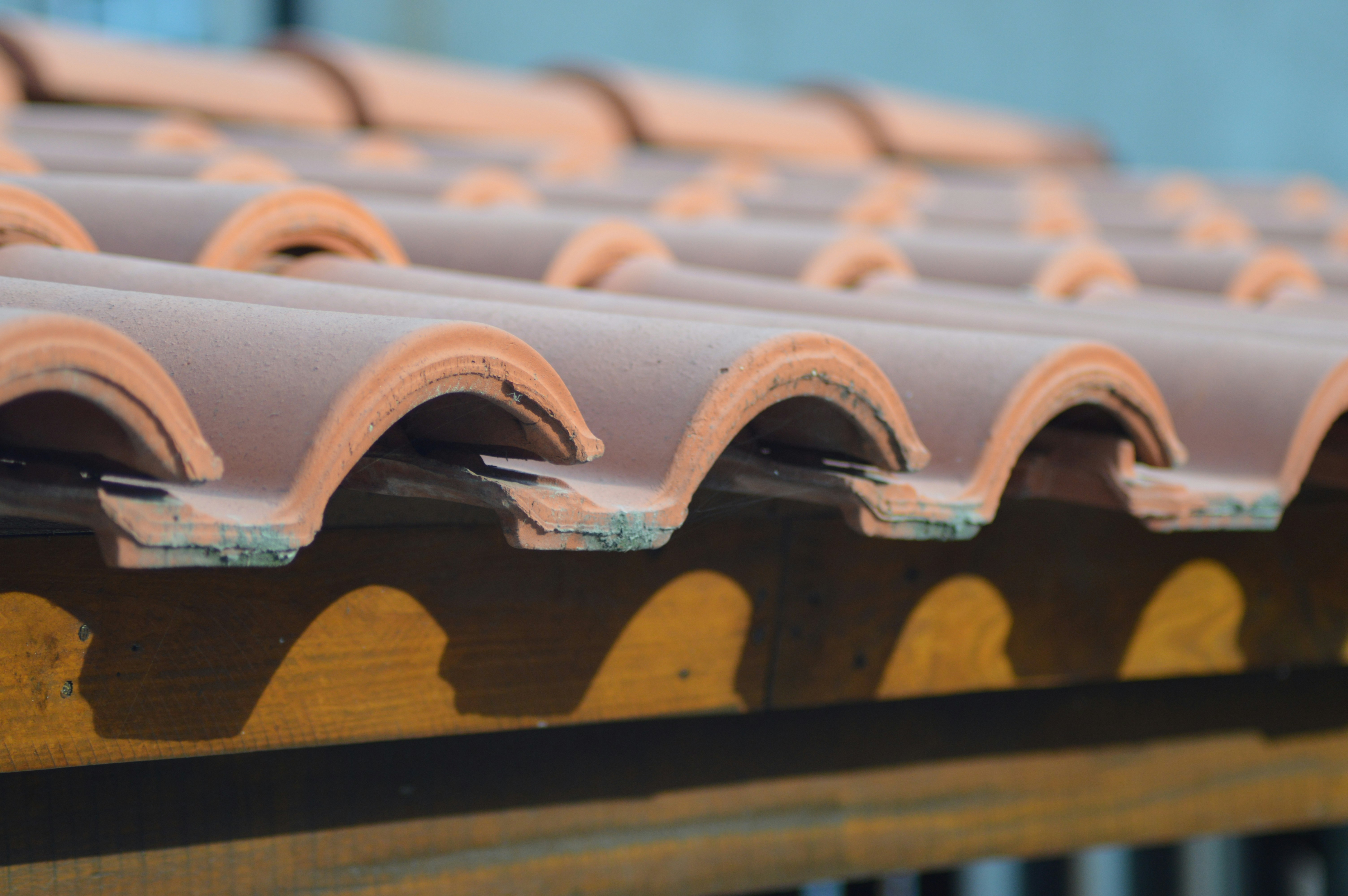
Wood shake & shingle roofing, explained
Warm, natural character that weathers beautifully — the difference between shakes and shingles, what cedar costs, how long it lasts, and the upkeep to plan for.
Wood roofs use shakes or shingles, most often western red cedar. They deliver a warm, natural look that weathers to silver-grey, cost about $6–$16 per square foot installed, and last 25–40 years (up to 50 with care). The trade-offs are maintenance and fire — choose Class A fire-treated wood and keep up with upkeep.
Few materials give a home the organic warmth of a wood roof. Long popular on Craftsman, Cape Cod, cottage, and rustic-style homes, wood roofing pairs natural beauty with surprisingly good insulation — at the cost of more attention than most other materials.
Shakes vs. shingles
The terms are often used interchangeably, but they're genuinely different products with different looks and price points.
Wood shingles
Sawn on both sides into thin, tapered, uniform pieces that lay relatively flat for a clean, refined look. More affordable and easier to install than shakes.
Wood shakes
Split (often by hand) for a thicker, more textured, rugged appearance with deep shadow lines. They shed water aggressively and last longer — at a higher cost.
Wood species used for roofing
- Western red cedar. The most popular choice — naturally resistant to rot and insects, dimensionally stable, and beautiful as it ages.
- Redwood. Durable and attractive, with good natural decay resistance.
- Cypress. A hardy, rot-resistant option common in some regions.
- Treated pine. A more economical choice that relies on pressure-treatment for durability.
Why homeowners choose wood
- Natural beauty. A warm, organic look that weathers gracefully to a silvery patina.
- Energy efficiency. Wood is a natural insulator, helping moderate attic temperatures.
- Eco-friendly. A renewable, biodegradable material, especially from responsibly harvested cedar.
- Wind resistance. Properly installed cedar shakes hold up well in high winds.
- Curb appeal. A distinctive, high-character roof that suits Craftsman, cottage, and rustic homes.
Wood roofing pros & cons
Advantages
- Unmatched natural warmth and curb appeal
- Good natural insulation
- Renewable, biodegradable material
- Strong wind resistance when properly installed
- Weathers gracefully to a silver-grey patina
Trade-offs
- Highest maintenance of any common roof
- Fire risk unless Class A fire-treated
- Prone to rot, mold, and moss in wet climates
- Restricted or banned by some local codes
- Shorter lifespan than metal, tile, or slate
Wood roof cost
Wood sits in the mid-to-upper range — more than asphalt, less than slate. Shakes cost more than shingles because they use more material and labor:
| Type | Cost per sq ft (installed) | Lifespan | Look |
|---|---|---|---|
| Wood shingles | $6–$12 | 25–30 yrs | Smooth, uniform, refined |
| Wood shakes | $8–$16 | 30–40 yrs | Thick, rugged, rustic |
| Premium cedar shakes | $12–$18 | up to 50 yrs | Heavy, deep texture |
For an average home, expect roughly $12,000 to $30,000 installed, depending on wood species, shake vs. shingle, fire treatment, and roof complexity.
Wood roof cost by home size
| Roof size | Wood shingles | Wood shakes | Premium cedar |
|---|---|---|---|
| 1,500 sq ft | $9k–$18k | $12k–$24k | $18k–$27k |
| 2,000 sq ft | $12k–$24k | $16k–$32k | $24k–$36k |
| 2,500 sq ft | $15k–$30k | $20k–$40k | $30k–$45k |
| 3,000 sq ft | $18k–$36k | $24k–$48k | $36k–$54k |
Fire treatment and complex roofs add cost. Compare materials in our roof cost guide.
Fire & maintenance considerations
Wood's natural character comes with the most upkeep of any common roof — and a fire consideration you can't skip:
- Fire. Untreated wood is combustible. Specify Class A fire-rated wood treated with fire retardant over a fire-resistant underlayment, and check local codes — some fire-prone areas restrict or ban wood roofs.
- Moisture, rot & mold. In wet or humid climates, wood is prone to rot, mold, and moss without diligent care.
- Insects. Some woods attract pests unless treated and maintained.
- Maintenance. Expect periodic cleaning, moss removal, and re-treatment to reach the upper end of the lifespan.
- Climate fit. Wood performs best in moderate, dry climates and is a poor fit for very wet or high-wildfire regions.
Ask about fire rating & codes
Before choosing wood, confirm Class A fire-treated materials and that your local code allows a wood roof. A local pro will know the requirements in your area: get free quotes.
Wood roof maintenance schedule
A wood roof rewards consistent care and punishes neglect. Staying on this rhythm is the difference between 25 and 50 years of service.
Keep it clear (ongoing)
Remove leaves, branches, and debris from the roof and gutters so moisture can't collect and feed rot or moss.
Inspect twice a year
Look for cracked, curled, split, or missing shakes and check for early moss or mildew — ideally each spring and fall.
Clean & treat (every few years)
Gently clean moss and algae and reapply preservative or fire-retardant treatment per the manufacturer's schedule.
Repair promptly
Replace damaged shakes and renew flashing as soon as issues appear to keep water out and extend the roof's life.
Choosing the right wood roof
- Climate. Best for moderate, drier climates; reconsider in very wet or wildfire-prone areas.
- Shakes vs. shingles. Choose shakes for a rugged, textured look and longer life; shingles for a cleaner look at a lower price.
- Fire rating. Insist on Class A fire-treated wood and verify local code.
- Maintenance commitment. Be honest about upkeep — wood rewards attention and punishes neglect.
Frequently asked questions
How much does a wood roof cost?
What's the difference between wood shakes and shingles?
How long do wood roofs last?
Are wood roofs a fire hazard?
What's the best wood for a roof?
Do wood roofs work in wet or humid climates?
How much maintenance does a wood roof need?
Can I insure a wood roof?
Compare your options before you commit
See how asphalt, metal, tile, slate, and wood compare on cost, lifespan, and durability — then dig into 2026 pricing to plan your budget.