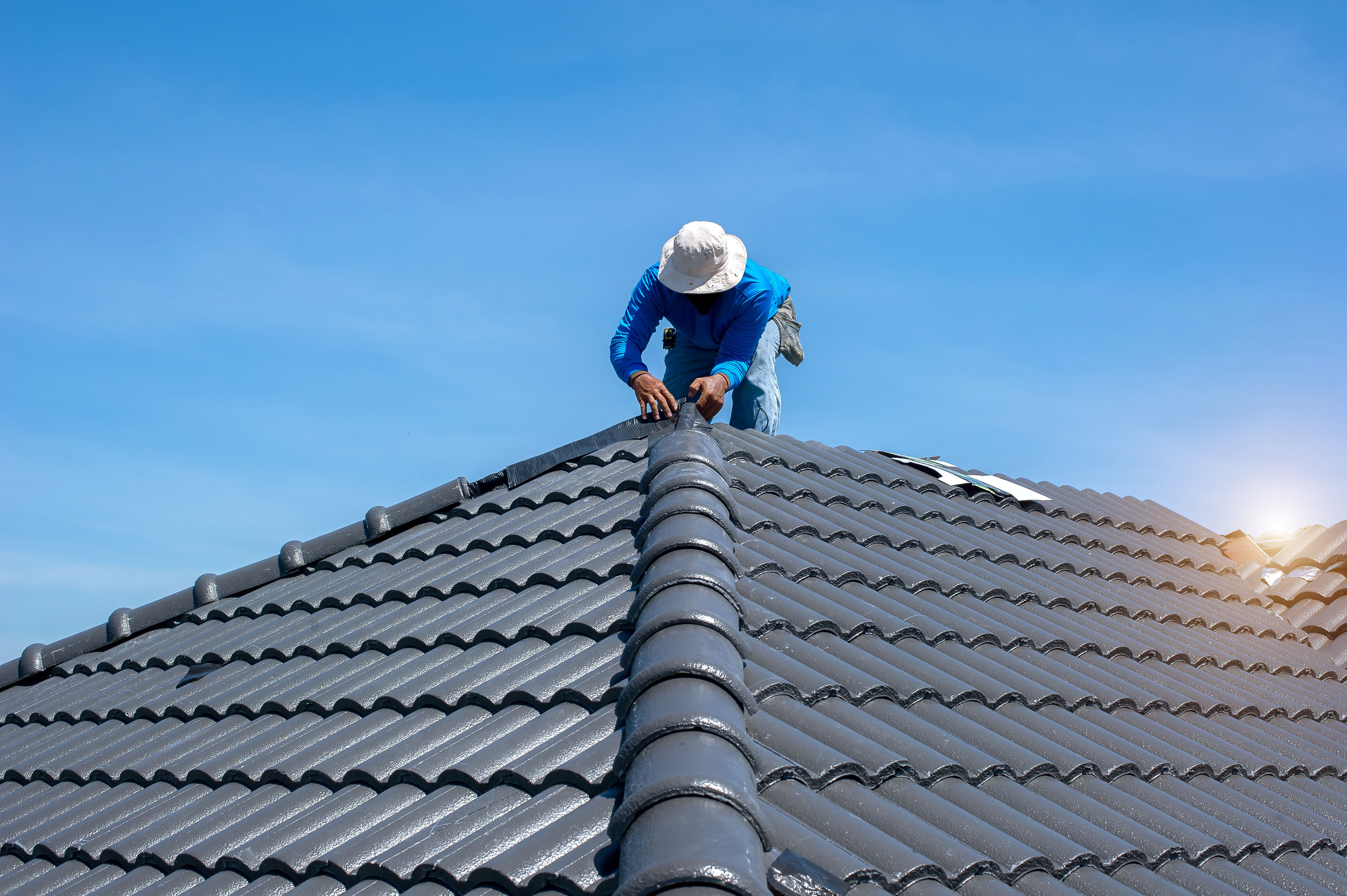
How much does a new roof cost in 2026?
Average prices by material, the full cost breakdown, what moves your number, and how to pay less — without cutting corners.
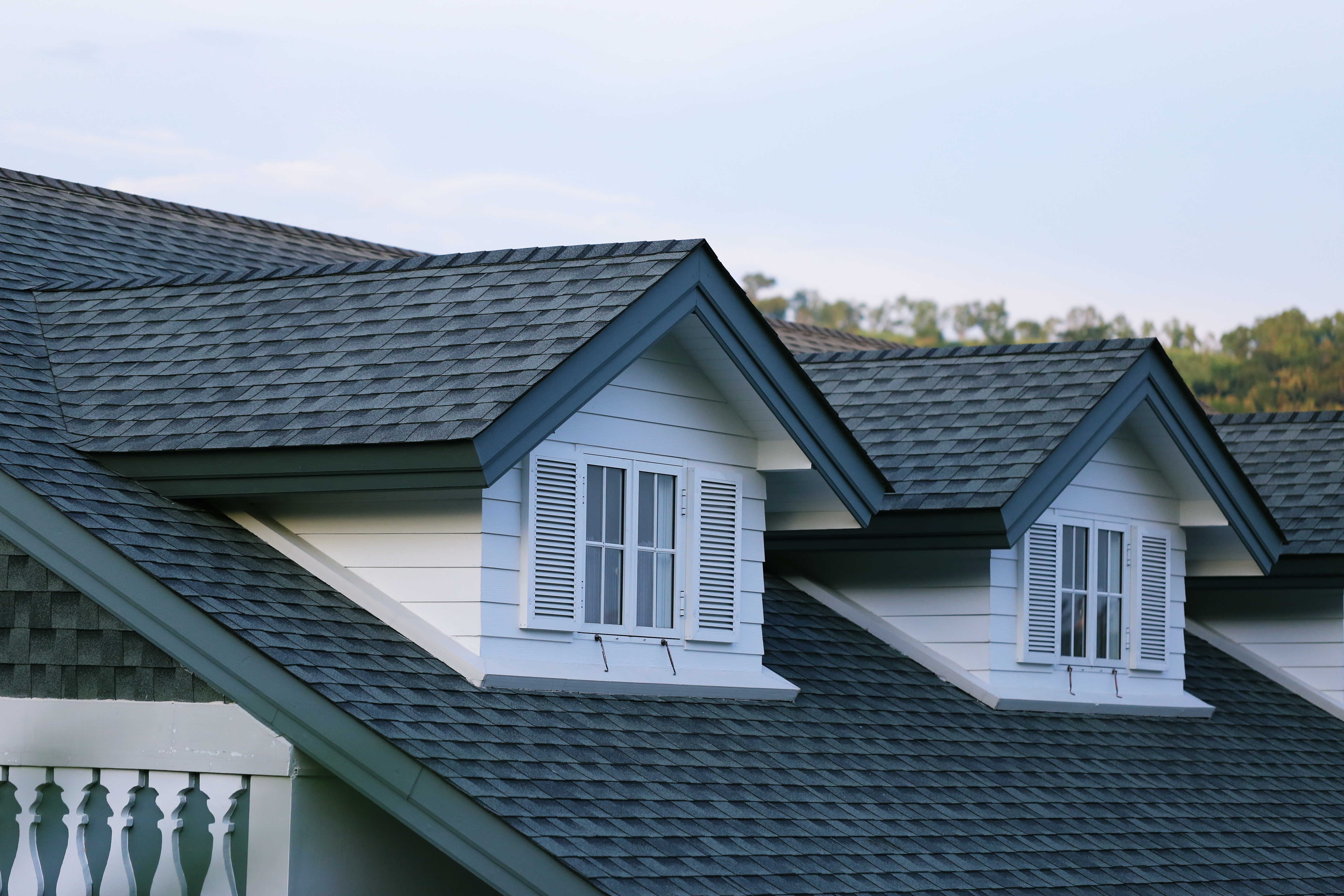
For an average single-family home, a new roof costs about $8,000–$18,000 for asphalt shingles, $15,000–$45,000 for metal, and $20,000–$50,000 for tile, installed. The biggest variables are roof size, pitch, the number of layers to tear off, and your local labor market.
Average roof replacement cost by material
Material is the single largest driver of price. Here's what each typically costs installed on an average home, along with how long it should last.
| Material | Average installed cost | Per sq ft | Lifespan | Best for |
|---|---|---|---|---|
| Asphalt shingles | $8,000–$18,000 | $4–$8 | 25–30 yrs | Most budgets |
| Metal | $15,000–$45,000 | $8–$16 | 40–70 yrs | Hail & longevity |
| Clay / concrete tile | $20,000–$50,000 | $10–$20 | 50–100 yrs | Hot, dry climates |
| Wood shake | $12,000–$30,000 | $6–$14 | 25–40 yrs | Curb appeal |
Cost per square foot (and "squares")
Roofers price jobs in squares — one square equals 100 square feet of roof surface. An average U.S. home has roughly 17–22 squares. Knowing your number helps you sanity-check any quote.
- Asphalt shingles: about $400–$800 per square installed.
- Metal: about $800–$1,600 per square installed.
- Tile: about $1,000–$2,000 per square installed.
Roof replacement cost by home size
Because roofers price by area, square footage is one of the clearest predictors of cost. A roof is usually larger than the home's floor plan — pitch and overhangs add surface — so a 2,000 sq ft home often has closer to 2,200–2,900 sq ft of roof. These ranges assume mid-grade architectural asphalt shingles, installed with tear-off.
| Home size (floor area) | Approx. roof area | Typical squares | Asphalt installed cost |
|---|---|---|---|
| 1,000 sq ft | 1,150–1,500 sq ft | 12–15 | $5,500–$11,000 |
| 1,500 sq ft | 1,700–2,200 sq ft | 17–22 | $7,500–$15,000 |
| 2,000 sq ft | 2,300–2,900 sq ft | 23–29 | $9,000–$18,500 |
| 2,500 sq ft | 2,900–3,600 sq ft | 29–36 | $11,000–$22,000 |
| 3,000 sq ft | 3,500–4,300 sq ft | 35–43 | $13,500–$27,000 |
Steeper pitches, multiple stories, and complex rooflines push these numbers toward the high end, since they slow the crew down and require more safety equipment.
What's actually in the price
A roof replacement quote bundles several line items. Understanding them makes it far easier to compare bids fairly.
Materials
- Shingles / panelsLargest line
- UnderlaymentIncluded
- Flashing & ventsIncluded
Labor
- Tear-off$1–$2/sq ft
- InstallationCrew time
- Local ratesVaries
Extras
- Decking repair$70–$100/sheet
- Permits$150–$500
- DisposalIncluded
What drives your price up or down
- Roof size & pitch. Bigger and steeper roofs need more material and slower, safer labor.
- Tear-off layers. Removing two layers of old roofing costs more than one.
- Decking condition. Hidden rot found at tear-off is replaced at extra cost.
- Complexity. Valleys, dormers, skylights, and chimneys add flashing and labor.
- Local labor market. Prices in high-demand or storm-heavy metros run above average.
Want a real number for your roof?
Talk to a roofing expert or get free quotes from vetted local pros — no obligation.
How much does a roof repair cost?
Not every problem means a full replacement. Most homeowners spend around $400–$1,500 on a typical roof repair, though the range runs from a quick fix to a major structural job. We group repairs into three tiers:
Minor
$150–$600- Replace a few shingles$150–$400
- Reseal flashing$150–$500
- Patch a small leak$200–$600
Moderate
$600–$1,500- Flashing replacement$300–$1,000
- Valley repair$600–$1,500
- Repair a section$700–$1,500
Major
$1,500–$7,000+- Sagging / decking$1,500–$4,000
- Rafter / truss repair$2,000–$5,000
- Large water damage$2,500–$7,000+
If repairs keep recurring or a single repair approaches a third of the cost of replacement, replacing the roof is usually the smarter long-term investment.
The most common roof repairs
A few issues account for the majority of repair calls. Catching them early is the difference between a $300 fix and a five-figure replacement.
- Leaks & water damage. The most common and most urgent issue — water intrusion rots decking and framing and invites mold if ignored.
- Missing or damaged shingles. Wind, hail, and age lift or crack shingles, exposing the underlayment beneath.
- Failed flashing. The metal seals around chimneys, skylights, and valleys are a frequent leak source as they corrode or pull away.
- Clogged or damaged gutters. Poor drainage backs water up under the roof edge and accelerates fascia and decking rot.
- Sagging rooflines. A dip or wave signals decking or structural damage underneath and should be inspected promptly.
- Moss, algae & mold. Common in shaded, humid areas; they trap moisture and shorten a roof's life.
Should you repair or replace your roof?
Repair makes sense when damage is isolated and the roof is otherwise sound and within its expected lifespan. Lean toward a full replacement when you see several of these signs:
- The roof is near or past its expected lifespan (about 20–30 years for asphalt, depending on the shingle).
- Damage is widespread rather than confined to one area.
- You're paying for repeated repairs that add up to a large share of replacement cost.
- There's daylight, sagging, or active leaks in the attic.
- Granules are filling the gutters and shingles are curling or balding across the roof.
Not sure which you need?
A free professional inspection settles it quickly. A credentialed roofer will tell you honestly whether a targeted repair will hold or whether replacement is the better value — and document everything for insurance if a storm is involved.
Does insurance cover a roof replacement?
Homeowners insurance often covers replacement when the damage is caused by a covered event such as hail or wind — in which case you typically pay only your deductible. Insurance generally does not cover replacement due to age or normal wear. After a major storm, a credentialed roofer can document damage so your claim holds up.
How to save without cutting corners
- Get at least three written, itemized quotes and compare line by line.
- Schedule in the off-season (late fall to winter) when crews have more availability.
- Choose architectural shingles for the best balance of price and lifespan.
- Ask about manufacturer rebates and financing — but never pay in full upfront.
- Fix small issues early; deferred repairs become full replacements.
Budget $8,000–$18,000 for a quality asphalt shingle roof on an average home, and more for metal or tile. Compare three itemized quotes, confirm credentials and warranty, and you'll get a fair price on a roof that lasts.
Frequently asked questions
How much does it cost to replace a roof in 2026?
What is the cost per square foot to replace a roof?
Does insurance cover a roof replacement?
How much does a roof repair cost?
How does roof size affect the price?
Should I repair or replace my roof?
Does roof slope or pitch change the cost?
Plan your roof with confidence
Compare materials side by side and learn how to choose a qualified contractor before you commit to a new roof.