
Roof restoration: add years for a fraction of the cost
Replacing a roof isn't the only option. For an aging but structurally sound asphalt-shingle roof, a rejuvenation treatment can restore flexibility, extend its life by years, and delay a five-figure replacement, for a small fraction of the price.
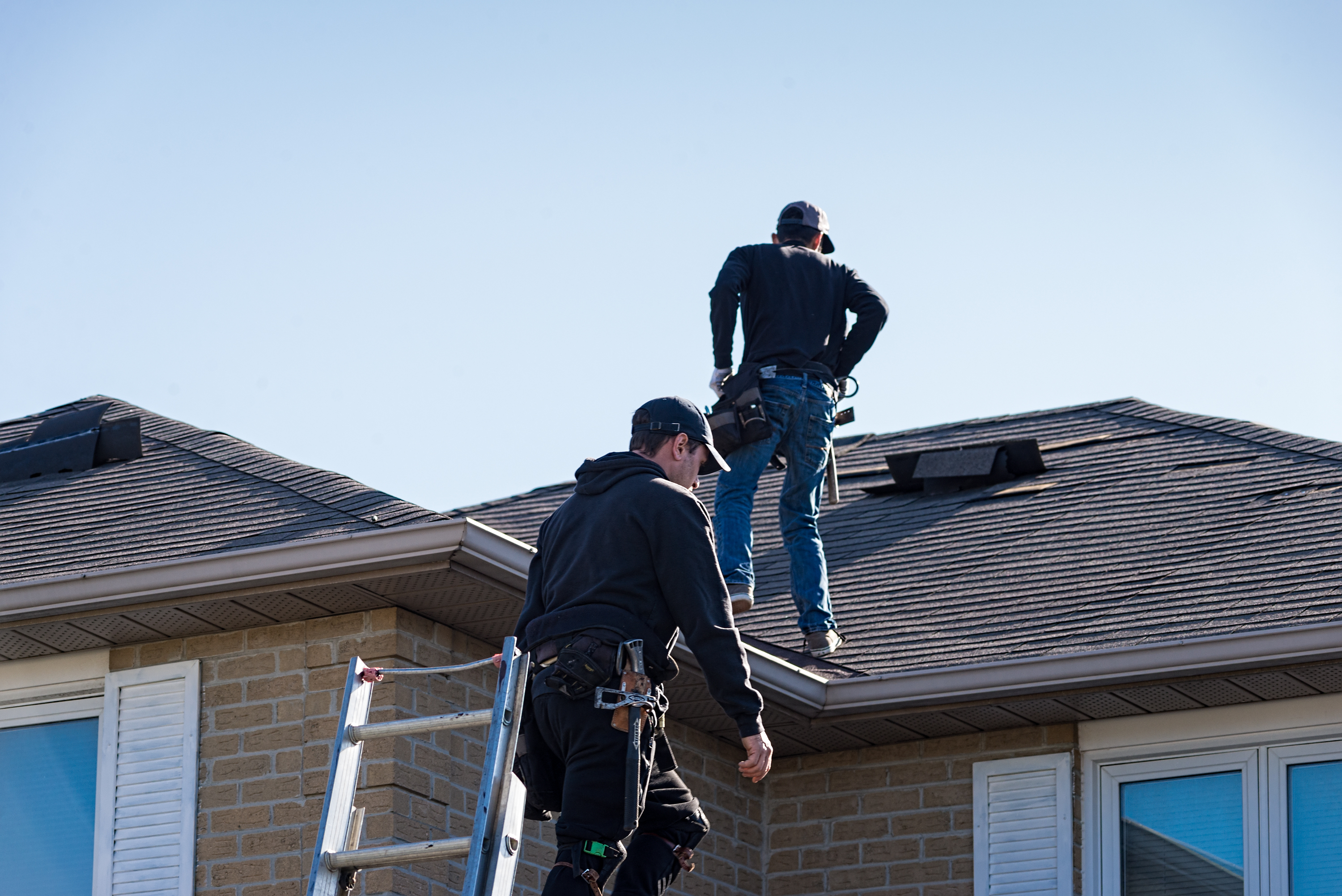
Roof rejuvenation is a spray-applied bio-oil treatment that restores the flexibility and water resistance aging asphalt shingles lose over time. For a roof that's drying out but still structurally sound, it can add about five years of life per treatment, and up to 15 years with reapplication, for roughly 15–20% of the cost of replacement. It is not a fix for a failing, leaking, or storm-damaged roof. The only way to know which camp your roof is in is an honest inspection.
What is roof restoration & rejuvenation?
Asphalt shingles are held together by oils that keep them flexible and waterproof. As a roof ages, sun and heat slowly bake those oils out, so the shingles dry, stiffen, curl, and start shedding the protective granules you find in your gutters. That gradual drying-out, not a single dramatic failure, is what ends the life of most asphalt roofs.
Roof rejuvenation (often called roof restoration) tackles that problem directly. A penetrating treatment, most commonly a soy-based bio-oil, is sprayed across the shingles and soaks in to replace the lost oils, restoring the flexibility and water resistance the roof had when it was newer. It's the difference between conditioning dried-out leather and throwing it away.
Restoration is maintenance, not a miracle
Think of rejuvenation as the roofing equivalent of repainting trim or servicing an HVAC system: a maintenance step that extends the life of what you already have. It buys time and delays a big expense; it does not turn an old roof into a new one.
Why shingles age — and what the treatment actually does
A new asphalt shingle is roughly one-third oil by design. Those petrochemical oils are what make the shingle pliable enough to flex in the wind and shed water without cracking. Years of intense sun, heat cycling, and UV exposure steadily evaporate them. As the oil content drops, three things happen in order: the shingle loses flexibility, it begins shedding granules (the sandy protective layer), and finally it cracks and curls, letting water in. Rejuvenation works by re-saturating the shingle with bio-oil before that last stage arrives.
Independent testing of bio-oil treatments has shown meaningful restoration of shingle flexibility and granule adhesion after application. The treatment doesn't add new material or thickness, it chemically reconditions the shingle you already have so it behaves more like a younger roof.
How the rejuvenation treatment works
A professional treatment is fast — most roofs are done in a few hours — and follows a simple, predictable process.
Free inspection & candidacy check
A trained provider confirms the shingles are aging but structurally sound, and that rejuvenation is genuinely the right call instead of a repair or full replacement. An honest "no" here is as valuable as a "yes."
Clean & prep the roof
Debris, moss, and loose granules are cleared so the treatment can soak into the shingle surface evenly rather than sitting on grime.
Apply the bio-oil treatment
The rejuvenation fluid is sprayed across every shingle. It penetrates the asphalt, replacing the oils baked out by years of sun and restoring pliability and water resistance.
Cure & protect
The treatment cures into the shingle. The roof sheds water and flexes like a younger roof again, and is typically walkable within hours. Most providers back the work with a warranty.
Re-treat about every 5 years
Reapplying the treatment roughly every five years can extend a roof's usable life by up to 15 years total, pushing a costly replacement well down the road.
What roof rejuvenation costs in 2026
The appeal is simple math. Rejuvenation typically runs a fraction of replacement, and each treatment buys years before you face the big bill. Most homeowners pay somewhere in the $1,500–$3,000 range for a single-family home, though pricing moves with a few factors.
Single treatment
Typical- Adds~5 years
- Per sq ft$0.80–$1.50
- Time on site2–3 hrs
Lifetime program
Best value- Addsup to 15 yrs
- Cadenceevery ~5 yrs
- Vs. replacing~60–75% less
Full replacement
For comparison- Lifespan25–30 yrs
- Per sq ft$4.50–$8.50
- Time on site1–3 days
What moves the price
- Roof size & squares. More surface area means more product and labor, the biggest single factor.
- Pitch & complexity. Steep, multi-facet, or hard-to-access roofs cost more to treat safely.
- Condition & prep. A roof needing cleaning or minor repairs before treatment adds to the bill.
- Provider & warranty. Brand-backed treatments with transferable warranties may price above a local applicator.
Restore vs. repair vs. replace
Rejuvenation, repair, and replacement solve different problems. The trick is matching the solution to the actual condition of your roof, not to whichever one a salesperson leads with.
| Rejuvenation | Repair | Replacement | |
|---|---|---|---|
| Best when | Roof is aging & drying but sound | Isolated leak or damage on an otherwise good roof | Roof is failing, widespread damage, or end of life |
| Typical cost | $1.5k–$3k | $400–$2.5k | $10k–$25k+ |
| Adds / restores | ~5 yrs per treatment | Fixes the specific issue only | Full new 25–30 yr lifespan |
| Time on site | 2–3 hours | Hours to a day | 1–3 days |
| Disruption | Minimal, no tear-off | Low | High, full tear-off |
| Storm/hail resistance | No new resistance added | Localized | Full, brand-new system |
| Works on | Asphalt shingles only | Any roof type | Any roof type |
A quick decision guide:
- Choose rejuvenation if your asphalt roof is 6–15 years old, intact, and just starting to dry out, curl, or shed granules.
- Choose a repair if the roof is generally healthy but has one localized problem, a leak around a vent, a few missing shingles after a windy day.
- Choose replacement if the roof is leaking in multiple spots, has widespread storm or hail damage, or is simply past its service life, or if you have an insurance claim that would fund a new roof.
Is your roof a good candidate?
This is the whole ballgame. Rejuvenation is excellent for the right roof and a waste of money on the wrong one. Here's the honest dividing line.
Great candidate
An asphalt-shingle roof roughly 6–15 years old, structurally sound, with shingles that are drying, stiffening, or shedding some granules, but no active leaks or missing shingles. The classic "still good, starting to age" roof.
Not a candidate
Roofs with active leaks, missing or cracked shingles, major storm or hail damage, or that are simply at the end of their life. Also metal, tile, and slate, which age differently and aren't treated this way. These roofs need repair or replacement.
A 60-second self-check
You may be a strong candidate if you can say yes to most of these. A professional inspection is still the only way to be sure.
- Your roof is asphalt shingle and roughly 6–15 years old
- You're finding granules (sandy grit) in gutters or downspouts
- Shingles look slightly faded, dry, or are starting to curl at the edges
- There are no active leaks and few or no missing shingles
- The roof has not taken major recent hail or wind damage
A note for storm-country homeowners
If your roof has taken a recent hail or wind hit, get a storm inspection first. You may have an insurance claim for a full replacement. Rejuvenation is for roofs aging gracefully, not roofs that have been beaten up by a storm.
The honest pros & cons
Where it shines
- Far cheaper than replacement, a fraction of the cost.
- Fast & low-disruption, usually a few hours, no tear-off.
- Extends roof life ~5 years per treatment, up to 15 total.
- Eco-friendly, keeps old shingles out of the landfill.
- Often warranty-backed by the provider.
Where it falls short
- Not a repair, won't fix leaks, damage, or missing shingles.
- Asphalt only, not for metal, tile, or slate.
- Temporary, needs reapplying every ~5 years.
- Adds no new storm/hail resistance like a new roof does.
- Useless on a roof that's already failing.
How to choose a rejuvenation provider
Because this is a maintenance treatment, the quality of the inspection and the honesty of the recommendation matter more than almost anything. A good provider will sometimes tell you not to treat. Ask these questions before you book:
- What treatment do you use, and is it independently tested? Soy-based bio-oils are the most established.
- What does the warranty cover, and is it transferable? A transferable warranty adds resale value.
- Will you tell me if my roof isn't a candidate? The right answer is an unhesitating yes.
- Are you licensed and insured? Confirm both before anyone gets on your roof.
- Can you show local before-and-after results? Especially on roofs the age of yours.
The smartest first step is an honest inspection from a provider who'll tell you straight whether rejuvenation, repair, or replacement is right for your roof. Get matched with vetted local pros →
The environmental case
Roofing is a surprisingly large contributor to landfill waste, tens of billions of pounds of torn-off asphalt shingles end up in U.S. landfills every year. Because rejuvenation extends the life of shingles already on your roof, every treated roof is one that isn't being torn off and hauled away for another five to fifteen years. Soy-based treatments are also plant-derived and, in the case of leading formulas, USDA-certified biobased. For homeowners who care about the footprint of their home maintenance, it's one of the greener choices in roofing.
Myth-busting
"It's just paint or a sealer."
No. A sealer coats the surface; rejuvenation penetrates the shingle and restores the oils inside it. They work completely differently.
"It'll fix my leak."
It won't. Rejuvenation restores flexibility to sound shingles, it is not a repair for active leaks, flashing failures, or missing shingles.
"It works on any roof."
Only asphalt shingles. Metal, tile, slate, and wood age by entirely different mechanisms and aren't candidates.
"It lasts forever."
One treatment adds roughly five years. The long-term benefit comes from reapplying every ~5 years, not from a single application.
If your asphalt roof is aging but sound, rejuvenation is one of the best-value moves in roofing, years of added life for a fraction of replacement. If it's failing or storm-damaged, it's not the answer. Start with an honest inspection, and match the solution to the roof.
Not sure restoration is your best move?
Rejuvenation only saves money on the right roof. Check whether yours is a candidate, then weigh the cost against a repair or full replacement before you decide.
- Honest candidacy check — is your roof a fit?
- Restoration vs. repair vs. replacement, compared
- Free inspections and transparent quotes
Not sure if your roof can be saved? Find out free.
Get matched with up to three independently reviewed local pros who'll inspect your roof and tell you honestly whether rejuvenation, repair, or replacement is the smart move.
- Free, honest roof inspection
- No spam, no out-of-area lead sellers