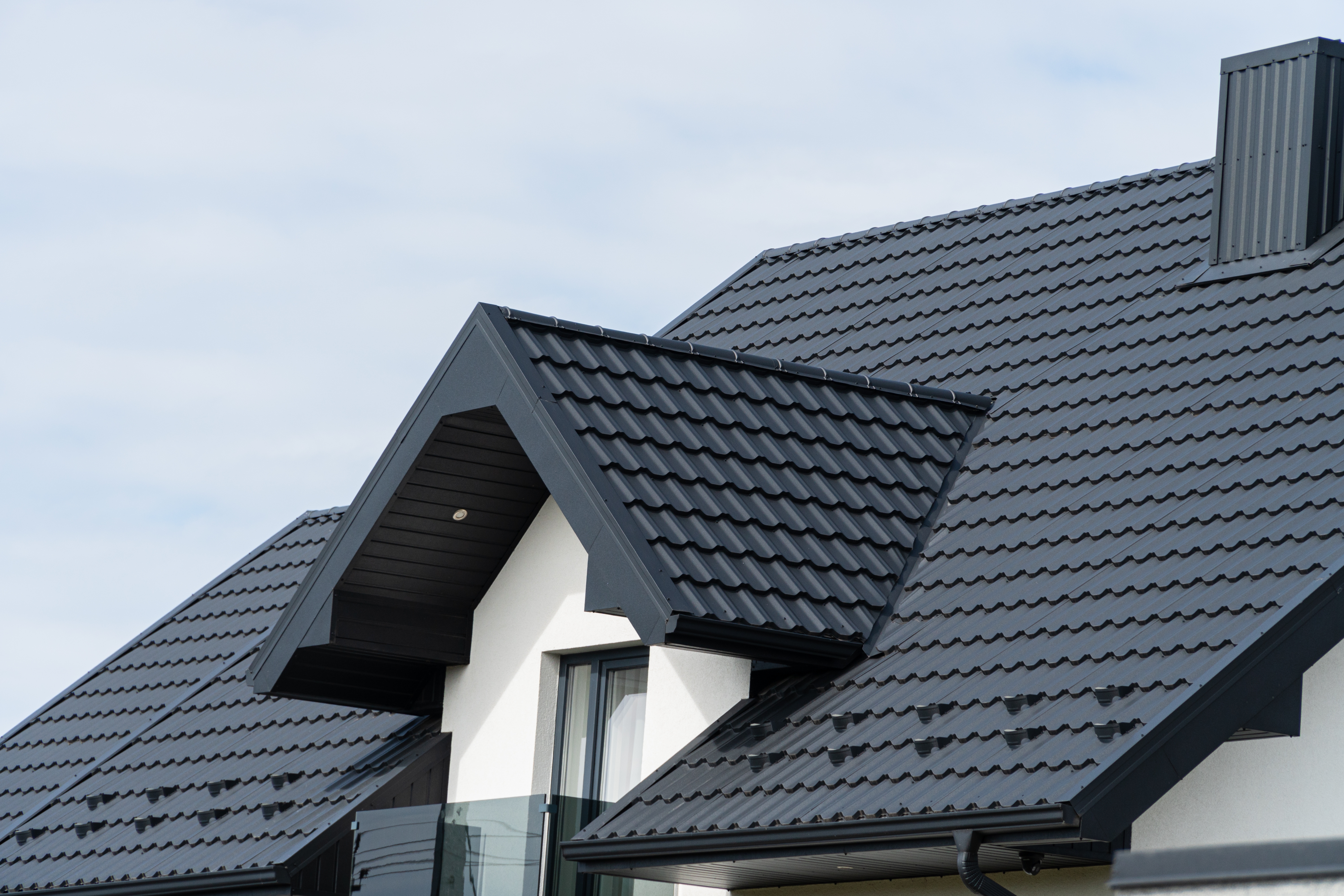
Tile roofing, explained
A premium roof that can outlive the house — clay, concrete, and slate tile compared on durability, style, cost, and maintenance.
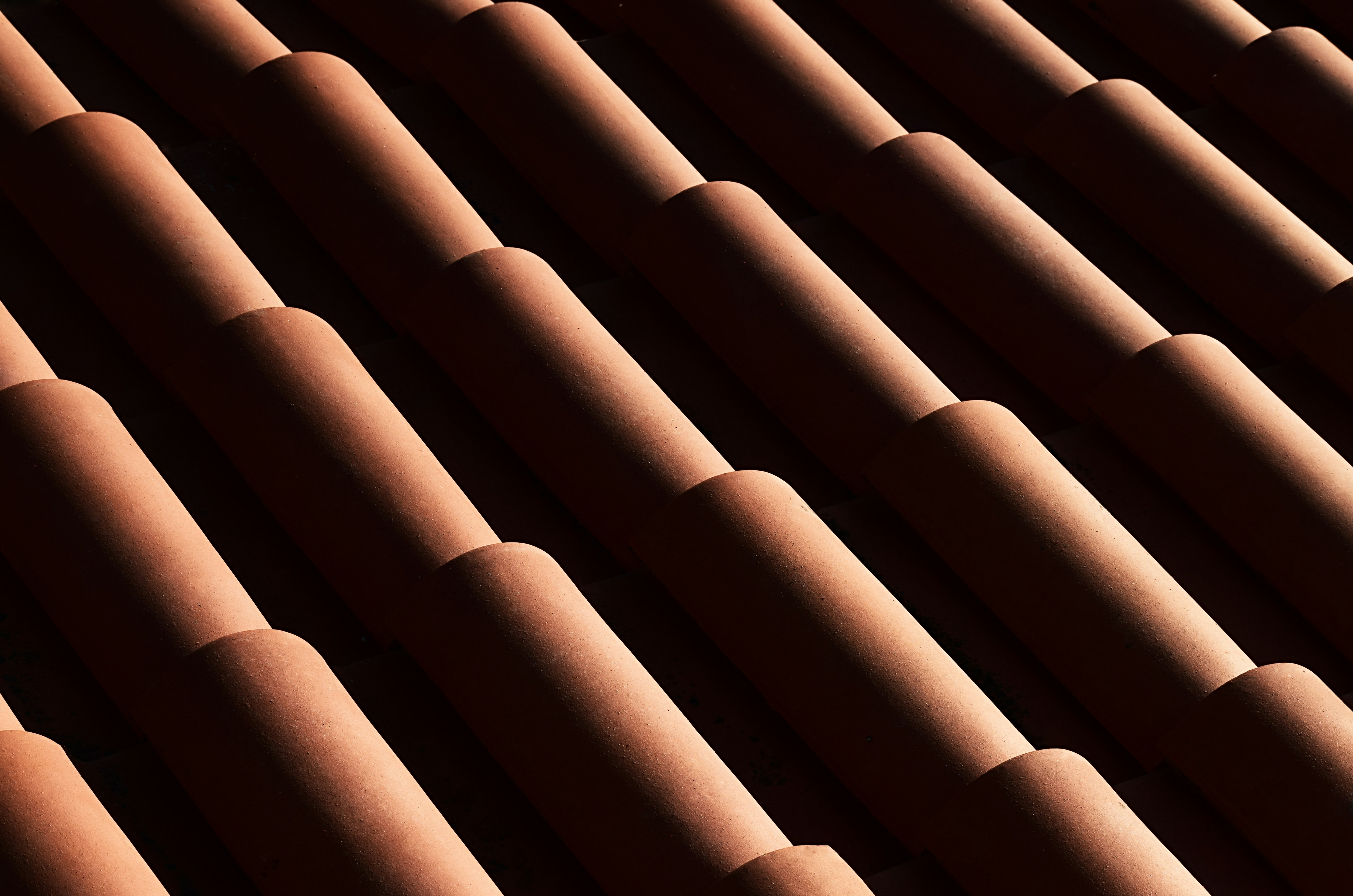
Tile roofs use interlocking clay, concrete, or slate tiles. They're among the longest-lasting roofs made — 50 to 100+ years — and resist fire, pests, and rot. They cost more and are heavy, so the structure must support them, but for longevity and curb appeal little compares.
Tile roofing has been a symbol of quality for centuries, from ancient Mediterranean structures to modern homes. The tiles interlock or overlap to form a strong barrier against the elements, and they come in countless colors, shapes, and textures to suit any architecture.
The three types of roof tile
Clay tile
The oldest and most iconic, baked from natural clay. Warm earthy tones that develop a patina, naturally fire-resistant and lighter than concrete — but more fragile and costlier.
Concrete tile
The most cost-effective tile; can mimic clay or slate. Weather-resistant and low-maintenance, but heavy (often needs reinforcement) and can fade over time.
Slate tile
Natural stone with unmatched longevity (100+ years) and elegance. Highly fire-, water-, and impact-resistant — but the most expensive and heaviest, needing specialist support.
Tile profiles & shapes
Beyond the material, tile comes in distinct profiles that define a roof's look and how it sheds water.
Barrel / Mission
The classic half-cylinder “S” curves of Spanish and Mediterranean roofs. Deep shadow lines and excellent water shedding.
Flat / French
Low-profile flat tiles that read clean and contemporary, or interlock with subtle ribs for a refined, modern look.
Interlocking
Tiles with side and head locks that fit tightly together for faster installation and superior wind and water resistance.
Benefits of tile roofing
- Extreme durability. Withstands winds up to 150 mph, heavy rain, and hail without cracking or deforming.
- Fire resistance. Non-combustible clay and concrete are ideal in wildfire-prone areas and can lower insurance premiums.
- Pest- & rot-proof. Unlike wood, tile offers nothing for pests to feed on.
- Energy efficiency. Thermal mass absorbs heat by day and releases it at night, reducing heat transfer by up to 70%.
- Style. From Spanish Colonial to sleek modern, in matte, glossy, and textured finishes.
Tile roofing pros & cons
Advantages
- Exceptional 50–100+ year lifespan
- Non-combustible — excellent fire resistance
- Immune to rot and insects
- Thermal mass lowers cooling bills
- Timeless curb appeal; can lift resale value
- May earn insurance discounts
Trade-offs
- Heavy — many homes need structural reinforcement
- High upfront cost and specialized labor
- Individual tiles can crack under impact or foot traffic
- Underlayment usually needs replacing before the tiles do
- Not ideal for low-slope roofs
Tile roof cost
Prices vary by material, roof size, complexity, and location:
| Tile type | Cost per sq ft (installed) | Lifespan |
|---|---|---|
| Clay | $10–$18 | 50–100 yrs |
| Concrete | $8–$15 | 30–50 yrs |
| Slate | $20–$30 | 100+ yrs |
The up-front cost is higher than asphalt, but durability and minimal maintenance lower long-term expenses — and tile can raise property value and earn insurance discounts thanks to its longevity and fire resistance.
Tile roof cost by home size
| Roof size | Concrete | Clay | Slate |
|---|---|---|---|
| 1,500 sq ft | $12k–$23k | $15k–$27k | $30k–$45k |
| 2,000 sq ft | $16k–$30k | $20k–$36k | $40k–$60k |
| 2,500 sq ft | $20k–$38k | $25k–$45k | $50k–$75k |
| 3,000 sq ft | $24k–$45k | $30k–$54k | $60k–$90k |
Add structural reinforcement where required. Compare against other materials in our roof cost guide.
The weight question — can your home handle tile?
Tile is heavy: clay and concrete weigh roughly 600–1,100 lbs per square (100 sq ft), versus about 250 lbs for asphalt. Before installing tile on a home not built for it, a structural engineer or experienced roofer should confirm the framing can carry the load — or specify reinforcement. This is the single most important pre-check for a tile roof, and a cost many homeowners overlook.
Tile in Texas & hot climates
Tile shines in hot, sunny regions: its thermal mass and the air gap beneath each tile keep attics cooler, and clay and concrete are non-combustible. In hail-prone regions, choose impact-tested profiles — very large hail can crack tile, though individual tiles are easy to swap.
Maintenance & longevity
Tile is durable but needs occasional attention. Common issues and fixes:
- Cracks from heavy impact — minor ones can be sealed; badly cracked tiles are replaced.
- Slipped tiles from movement or poor installation — repositioned and resecured.
- Moss & algae in humid climates — prevented with regular inspection and cleaning.
Replace damaged tiles promptly to prevent water seepage: identify the damage, remove the broken tile without disturbing its neighbors, clear old debris and adhesive, then fit a matching replacement with adhesive and waterproof sealant. For a seamless repair, hire a qualified roofer.
Choosing the right tile
- Clay and concrete suit hot, dry regions; slate thrives where there's heavy rain or snow.
- All tile insulates well, keeping indoor temperatures comfortable year-round.
- Tile complements nearly any home style, from rustic clay to polished slate.
- Slate offers unmatched durability, while clay and concrete are more affordable without sacrificing key qualities.
Frequently asked questions
What are the differences between clay, concrete, and slate tiles?
How much does a tile roof cost?
Are tile roofs energy-efficient?
How long do tile roofs last?
Can my house support a tile roof?
Do tile roofs break easily?
How often does the underlayment need replacing?
Compare your options before you commit
See how asphalt, metal, tile, slate, and wood compare on cost, lifespan, and durability — then dig into 2026 pricing to plan your budget.