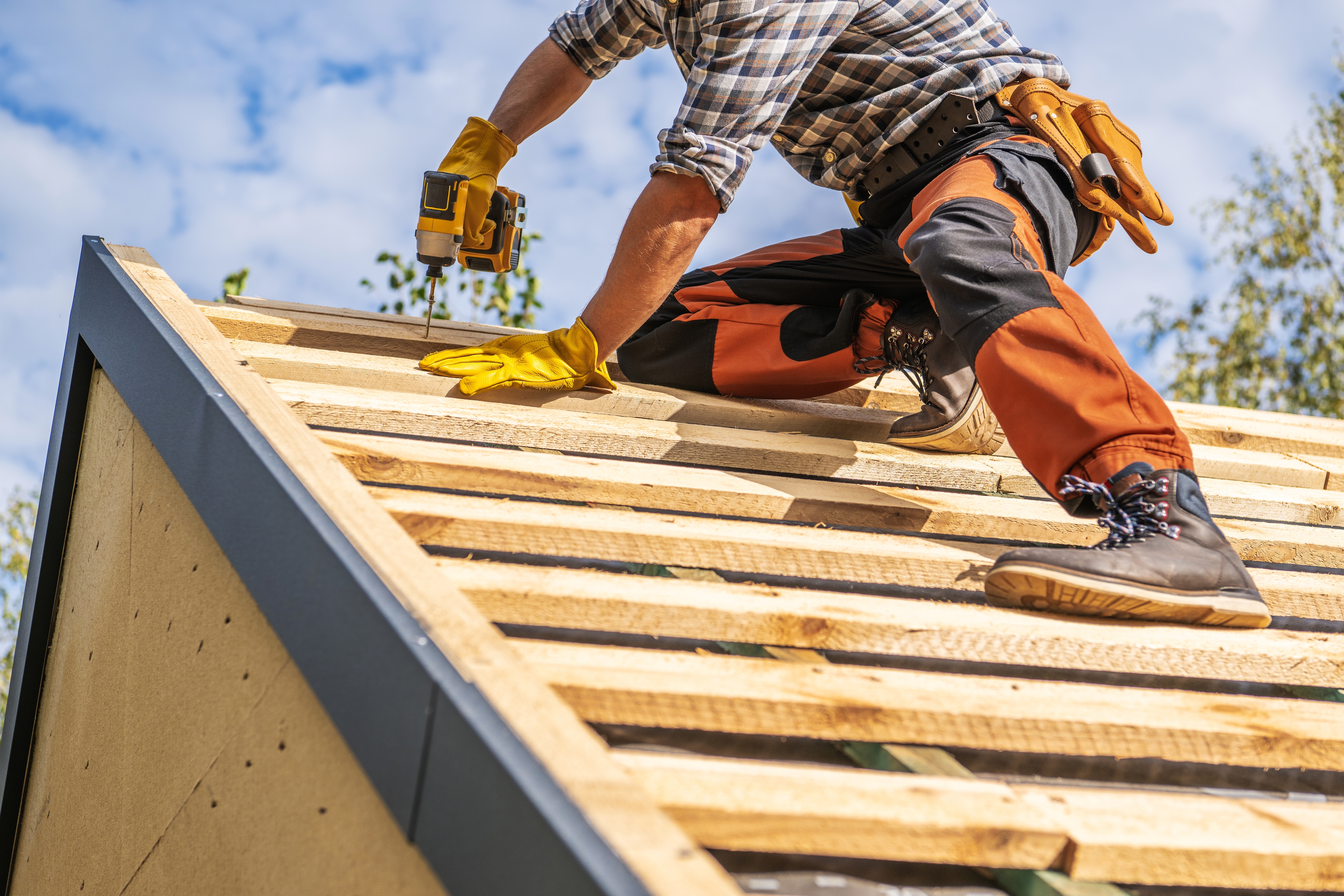
Metal roofing, explained
Durable, energy-efficient, and built to last 50+ years — the three types of metal roof, what they cost, and how to choose the right one for your home.
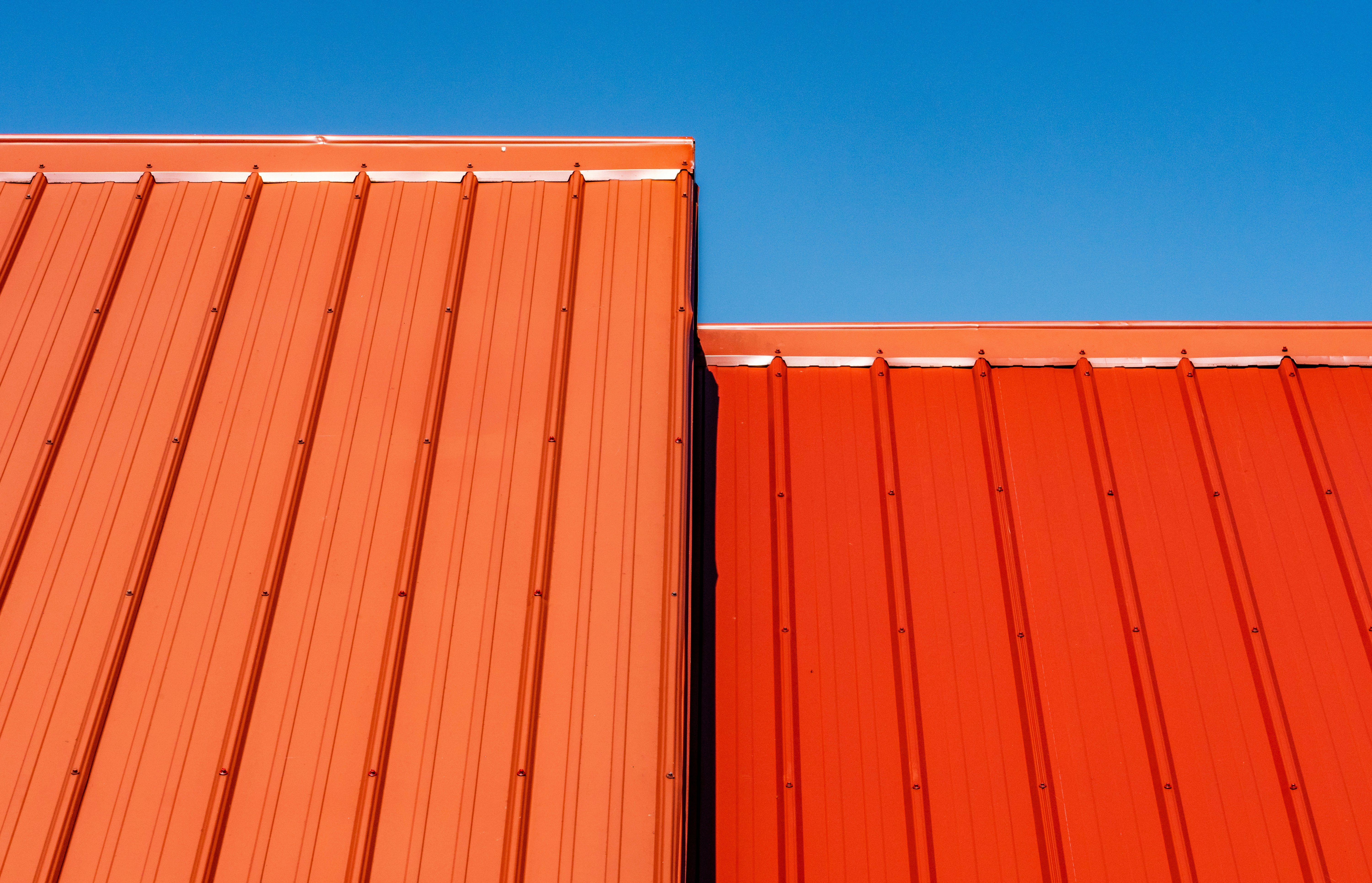
Metal roofs use panels, shingles, or tiles of steel, aluminum, or copper. They cost more up front than asphalt but last 40–70 years (copper, a century), resist hail and 140-mph winds, and can cut cooling costs up to 40% through reflective coatings.
The three types of metal roof
Standing seam
Interlocking raised seams run vertically ridge-to-eave for a sleek, modern, highly leak-resistant roof. The most durable — and most expensive — option.
Corrugated panels
Wavy metal sheets with a rustic, industrial look. The most affordable and lightweight choice, though thinner metal dents more easily and lasts less long.
Metal shingles
Mimic slate or wood while keeping metal's benefits. Fire-resistant and long-lasting, available in many styles — but pricier and harder to install.
Steel, aluminum, copper & zinc — which metal?
Panel style is only half the decision; the metal underneath drives cost, lifespan, and looks. Four dominate residential roofing.
| Metal | Lifespan | Relative cost | Best for |
|---|---|---|---|
| Galvalume / galvanized steel | 40–60 yrs | $ · most affordable | The popular all-rounder — strong and budget-friendly |
| Aluminum | 40–70 yrs | $$ | Coastal & humid areas — it won't rust |
| Zinc | 60–100 yrs | $$$ | Longevity with a self-healing patina |
| Copper | 100+ yrs | $$$$ · premium | Heirloom roofs & accents; ages to a green patina |
Gauge matters in hail country
Steel thickness is measured in gauge — the lower the number, the thicker the panel. A heavier 24- or 26-gauge steel resists denting far better than the thin 29-gauge sheets used on sheds, which is worth paying for in storm-prone regions like North Texas.
Why homeowners choose metal
- Longevity. 50+ year lifespans far outlast asphalt and most tile.
- Energy efficiency. Reflective coatings cut heat absorption and cooling bills — up to 40% versus asphalt.
- Weather & fire resistance. Class 4 impact rating, winds to ~140 mph, and non-combustible materials.
- Sustainability. Often made from recycled metal and fully recyclable at end of life.
- Low maintenance. Resists rot, insects, and mildew that plague other materials.
Installation timeline
Metal installs in a time frame similar to asphalt — panels and tiles are fastened rather than overlapped. Expect about 2–5 days for a professional install, depending on roof size and complexity.
Metal roofing pros & cons
Advantages
- Exceptional lifespan — 2–3× longer than asphalt
- Outstanding hail, wind, and fire resistance
- Reflects heat — lower summer cooling bills
- Lightweight; can sometimes go over an existing roof
- Recycled content and fully recyclable
- May earn an insurance premium discount
Trade-offs
- Higher upfront cost than asphalt
- Fewer crews are true metal specialists
- Very large hail can dent thin-gauge panels
- Rain noise if decking/underlayment is skimped
- Repairs and exact color matches are trickier years later
Metal roof cost
Price depends on material, style, and installation complexity:
| Type | Cost per sq ft (installed) | Best for |
|---|---|---|
| Standing seam | $9–$24 | Longevity & modern looks |
| Corrugated panels | $4–$26 | Budget & outbuildings |
| Metal shingles | $6–$22 | Slate/wood look with metal benefits |
For a typical 2,300 sq ft roof, expect anywhere from just over $9,000 to nearly $60,000 — higher than asphalt, but long-term energy, maintenance, and replacement savings often make it the more economical choice.
Metal roof cost by home size
| Roof size | Standing seam | Metal shingles | Corrugated |
|---|---|---|---|
| 1,500 sq ft | $14k–$36k | $9k–$33k | $6k–$20k |
| 2,000 sq ft | $18k–$48k | $12k–$44k | $8k–$26k |
| 2,500 sq ft | $23k–$60k | $15k–$55k | $10k–$33k |
| 3,000 sq ft | $27k–$72k | $18k–$66k | $12k–$39k |
What drives the price
- Metal & gauge. Copper and zinc cost multiples of steel; thicker gauges cost more.
- Panel style. Standing seam's hidden fasteners and added labor run higher than exposed-fastener panels.
- Roof complexity. Steep pitches, valleys, dormers, and skylights add cutting, flashing, and labor.
- Tear-off vs. overlay. Removing the old roof adds cost; metal's light weight sometimes allows an overlay.
- Coatings & color. Premium Kynar/PVDF finishes and cool-roof pigments add cost but extend looks and savings.
The lifetime-cost angle
A metal roof can cost 2–3× an asphalt roof upfront, but it often outlasts two or three asphalt replacements. Spread across decades — plus energy and possible insurance savings — metal is frequently the cheaper roof over the life of the home. Compare both in our roof cost guide.
Maintenance & lifespan
Metal roofs can still face leaks, dents, scratches, fading, and thermal expansion. To prevent problems: schedule regular inspections, use high-quality materials, and install to the manufacturer's specs. The biggest enemy is rust and corrosion — use rust-resistant metals, apply a protective coating, avoid mixing metals (galvanic corrosion), and ensure good drainage.
Metal roofing in hail & storm country
In hail- and wind-prone regions, metal is one of the toughest choices you can make. Most metal panels carry a Class 4 impact rating — the highest — and withstand winds around 140 mph. Many insurers offer a premium discount for impact-rated roofs, so ask before you buy. The one caveat: very large hail can cosmetically dent thinner panels, so favor heavier gauges and standing-seam profiles where hail is severe.
Is a metal roof right for your home?
Great fit if…
You plan to stay long-term, want the last roof you'll ever buy, live in a hail-, wind-, or fire-prone area, want lower cooling bills, or love a modern standing-seam or metal-shingle look.
Maybe reconsider if…
You're on a tight budget, plan to move soon (you may not recoup the premium), or live under an HOA that restricts metal profiles. A quality architectural shingle may serve you better.
Choosing the right metal roof
- Weather resistance. Metal handles hail, torrential rain, and winds to ~140 mph across climates.
- Energy efficiency. Reflective coatings reduce cooling costs in sunny regions.
- Aesthetics. A wide range of colors, textures, and finishes — including shingle, slate, and tile looks.
- Cost. Higher up front, but energy savings and possible insurance benefits offset it over time.
Frequently asked questions
How much does a metal roof cost?
What are the different types of metal roofs?
How long will a metal roof last?
Are metal roofs better than shingles?
Do metal roofs save money on energy bills?
Are metal roofs noisy when it rains?
Will a metal roof attract lightning?
Can I install metal over my existing shingles?
Does a metal roof lower my insurance?
Compare your options before you commit
See how asphalt, metal, tile, slate, and wood compare on cost, lifespan, and durability — then dig into 2026 pricing to plan your budget.