Roofing materials, compared
Asphalt, metal, tile, and slate side by side — what each costs, how long it lasts, and which is right for your home and climate.
Asphalt shingles are the best value for most homes; metal is best for longevity and hail; tile and slate last longest but cost the most. The right pick depends on your budget, climate, and how long you plan to stay. Compare all four below.
The 30-second comparison
| Material | Installed cost | Per sq ft | Lifespan | Hail / wind | Best for |
|---|---|---|---|---|---|
| Asphalt shingles | $8k–$18k | $4–$8 | 25–30 yrs | Good (Class 3–4) | Most budgets |
| Metal | $15k–$45k | $8–$16 | 40–70 yrs | Excellent | Longevity & hail |
| Clay / concrete tile | $20k–$50k | $10–$20 | 50–100 yrs | Good | Hot, dry climates |
| Slate | $25k–$60k | $15–$30 | 75–150 yrs | Excellent | Premium & historic |
Explore each material in detail
Full guides on every major roofing material — types, benefits, costs, and maintenance.
Asphalt shingle roofs
3-tab, architectural, and luxury shingles — impact ratings, cost, and lifespan.
Read guideMetal roofs
Standing seam, corrugated, and metal shingles — benefits, cost, and durability.
Read guideClay & concrete tile roofs
Clay, concrete, and slate tile — durability, style, cost, and maintenance.
Read guideSlate roofs
Natural vs synthetic slate — the longest-lasting roof, weight, and cost.
Read guideWood shake & shingle roofs
Cedar shakes vs shingles — natural character, cost, lifespan, and upkeep.
Read guide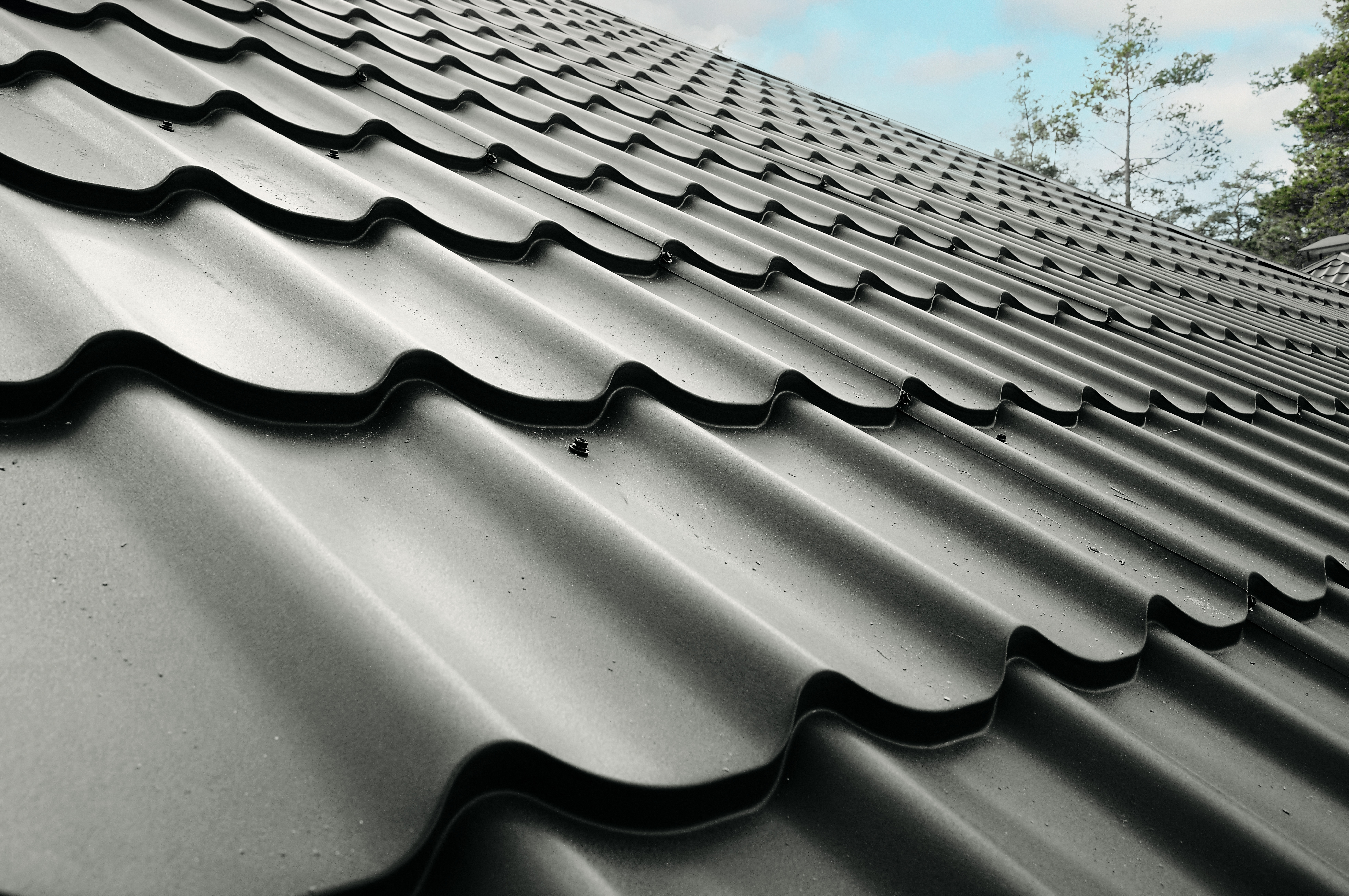
Asphalt shingles
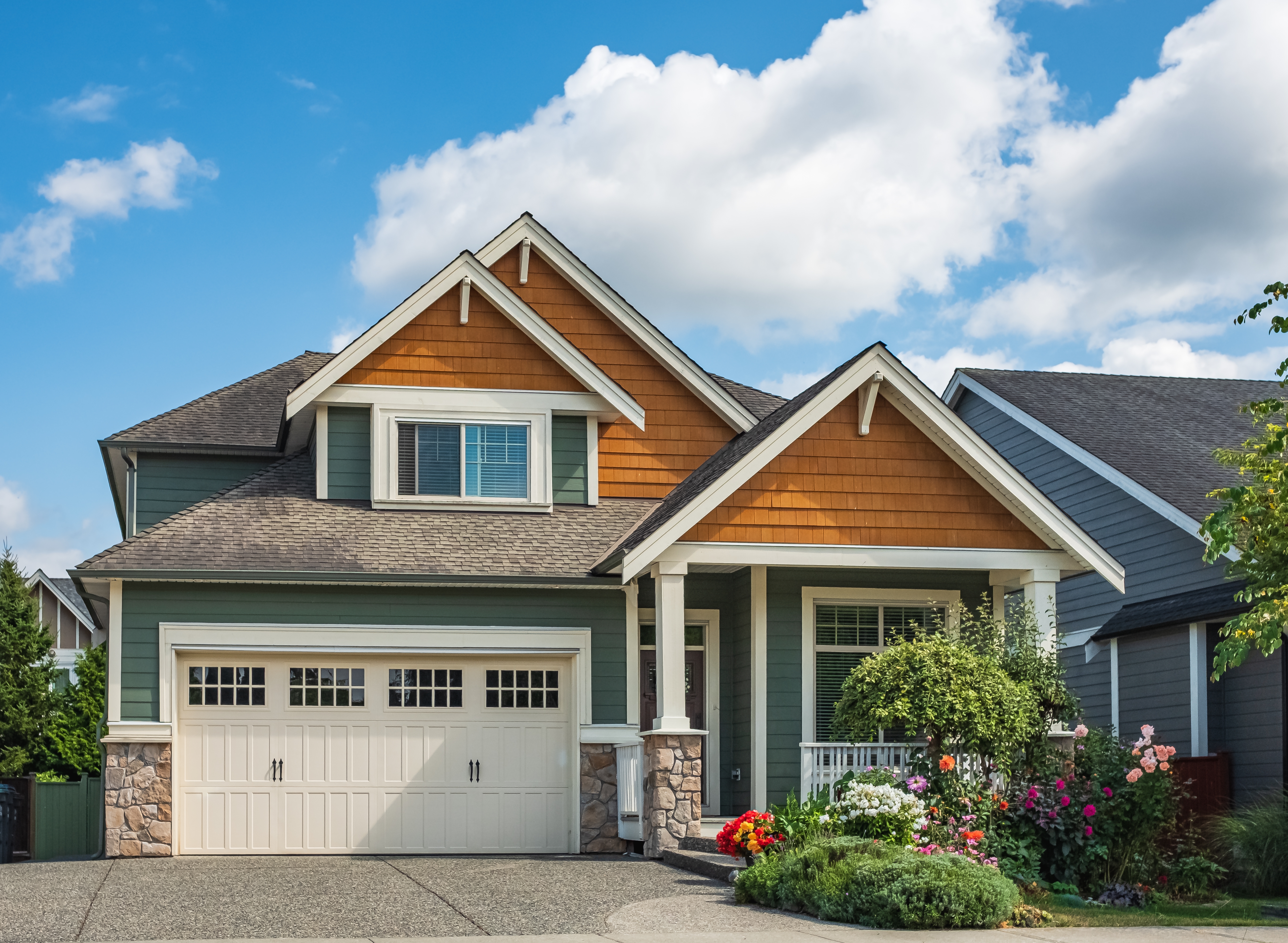
The default for most U.S. homes — affordable, widely available, and easy to repair. Architectural (dimensional) shingles last longer and look richer than basic 3-tab.
- $8,000–$18,000 installed · 25–30 year lifespan
- Best balance of price and performance
- Class 3–4 impact-rated options for hail country
Metal roofing
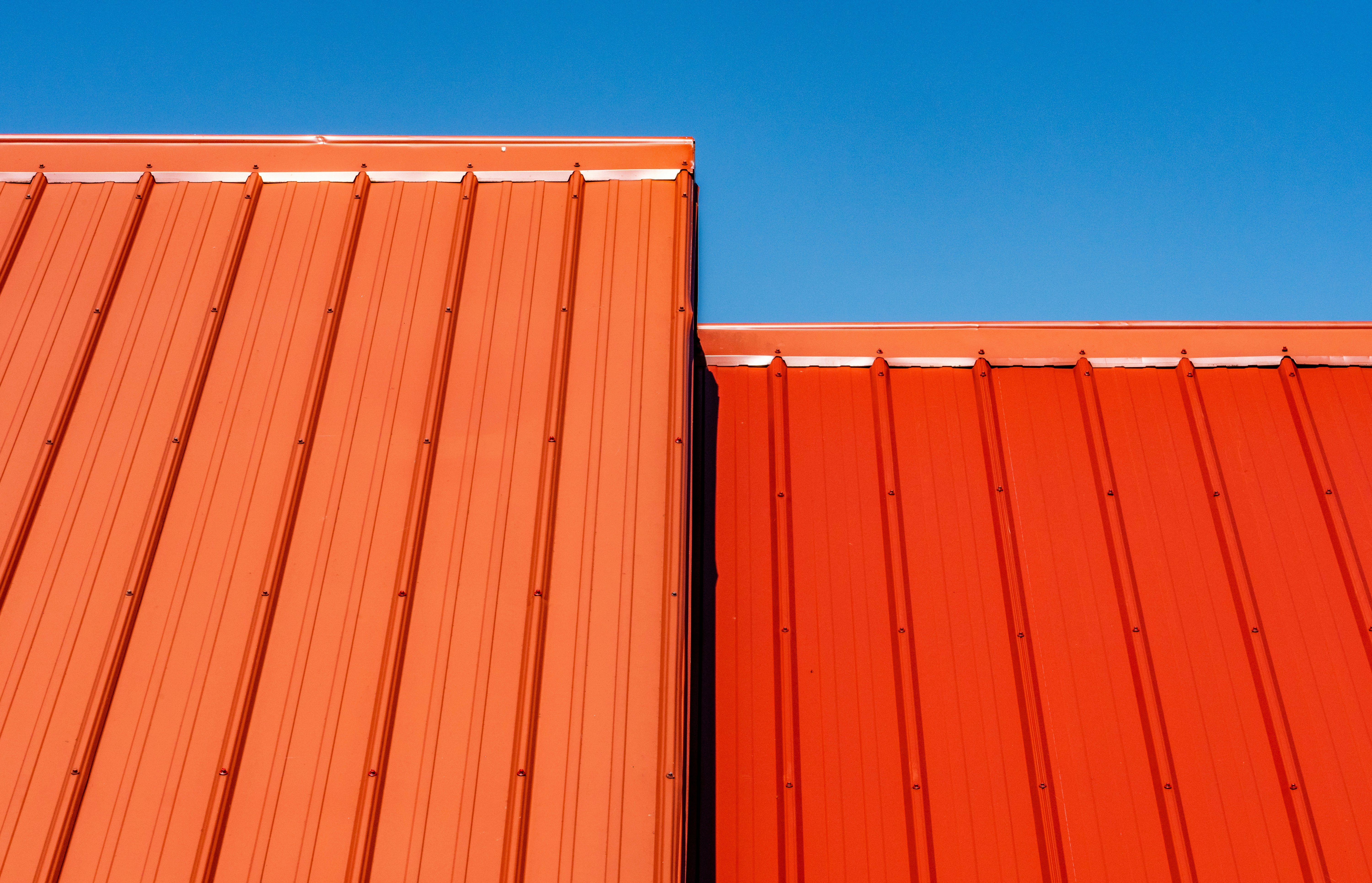
Standing seam and metal panels shrug off hail and wind, reflect heat, and can last two to three times longer than shingles — a strong long-term value despite the higher upfront cost.
- $15,000–$45,000 installed · 40–70 year lifespan
- Excellent hail and wind resistance
- Energy-efficient and fully recyclable
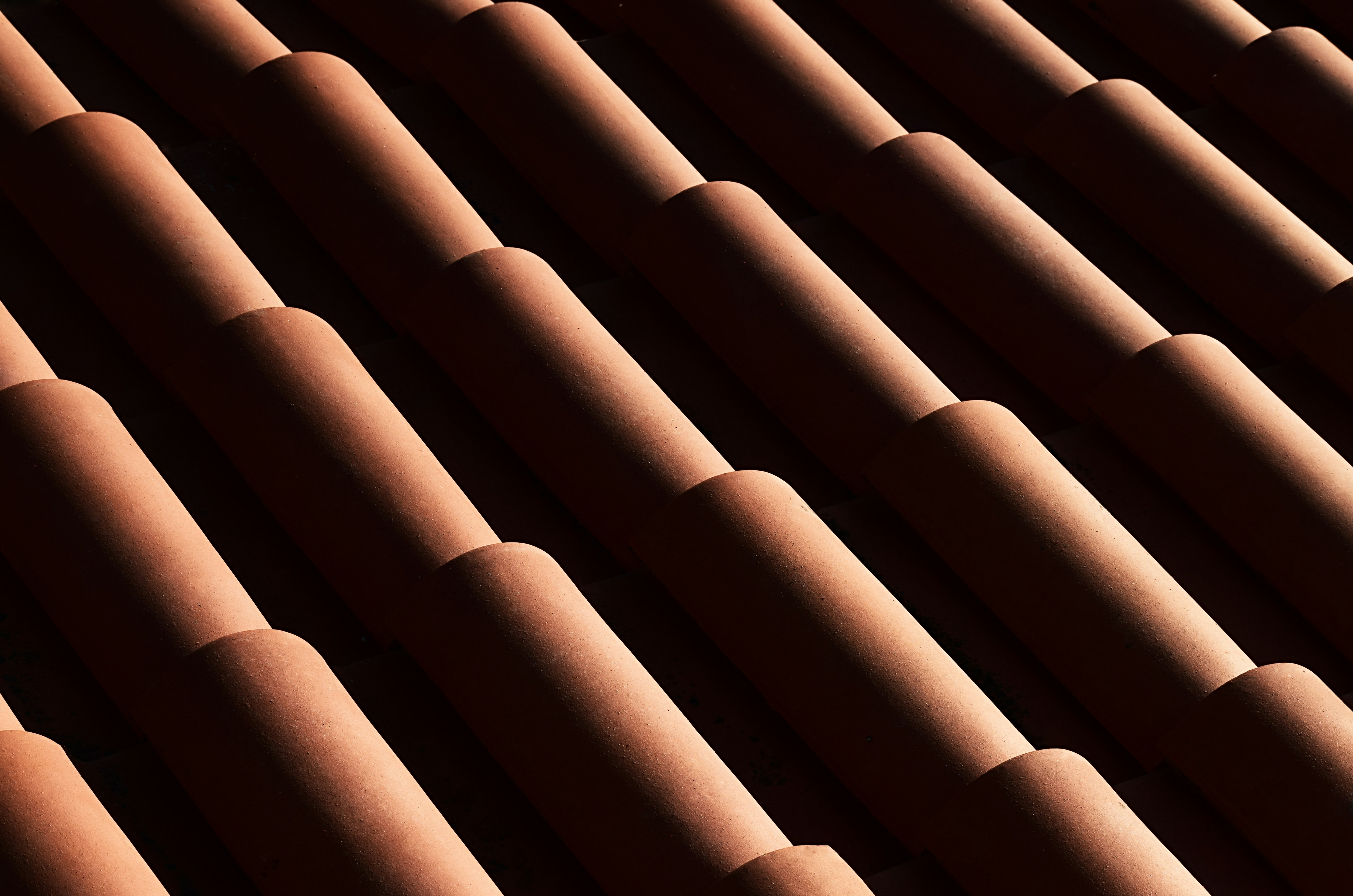
Clay & concrete tile
Distinctive and extremely long-lived, tile excels in hot, dry, and coastal climates. It's heavy, so your home's structure must support it — and installation is specialized.
- $20,000–$50,000 installed · 50–100 year lifespan
- Outstanding in heat and sun
- Requires adequate structural support
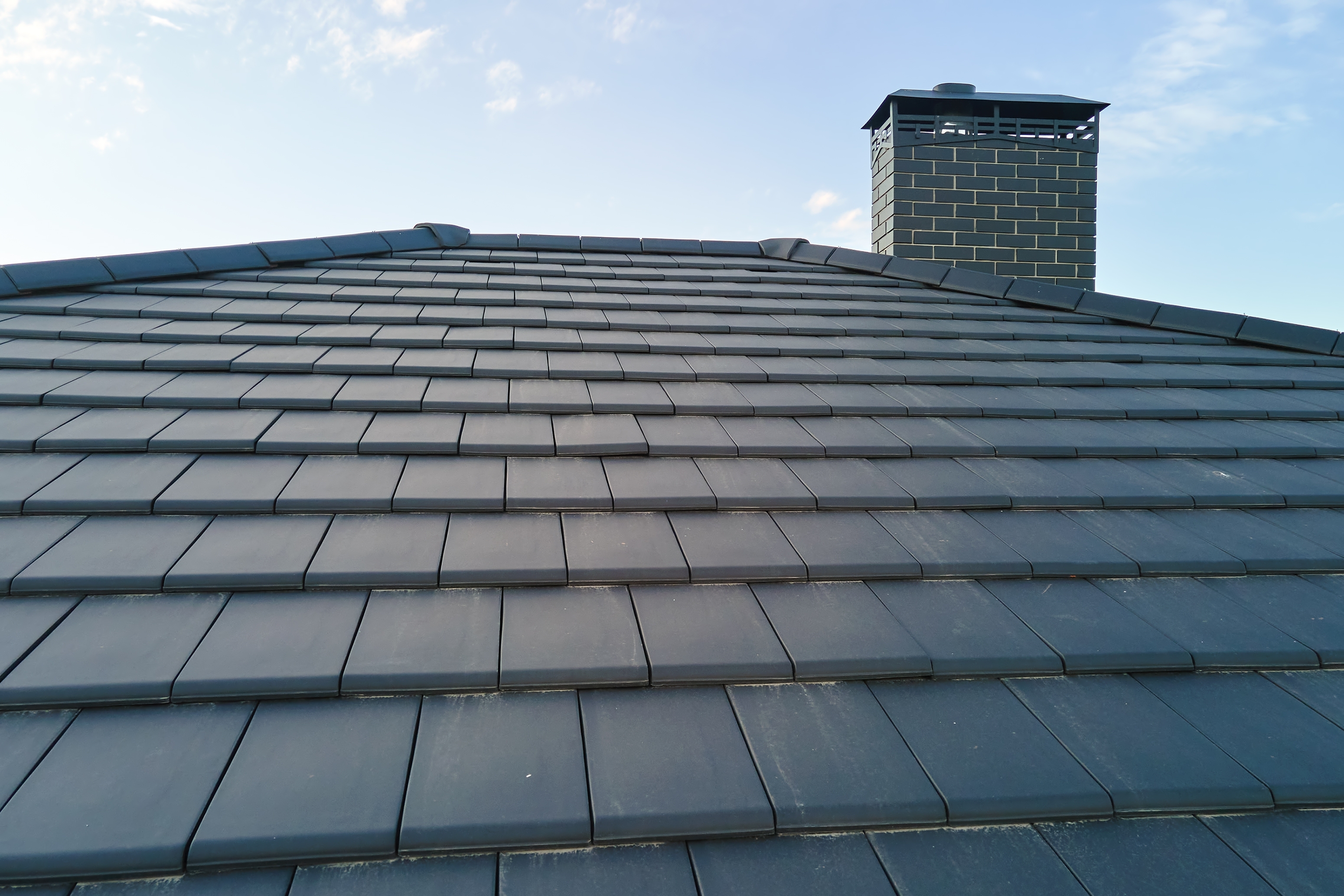
Slate
The longest-lasting roofing material there is — natural slate can outlive the house itself. It's the most expensive and heaviest option, best suited to premium and historic homes.
- $25,000–$60,000 installed · 75–150 year lifespan
- Unmatched longevity and curb appeal
- Heavy; needs specialist installers
Wood shake & shingles
Cedar and other wood roofs deliver a warm, rustic look that ages beautifully. They need more upkeep than other materials and aren't ideal in fire-prone or very humid regions, but for curb appeal on the right home, little else compares.
- $12,000–$30,000 installed · 25–40 year lifespan
- Distinctive natural appearance that weathers to silver-grey
- Needs regular maintenance; check local fire codes
Common roof types & styles
Material is only half the story — the shape of your roof affects drainage, cost, attic space, and which materials work best.
Gable
The classic triangular roof with two sloping sides. Affordable, sheds water and snow well, and works with nearly every material — the most common style in America.
Hip
Slopes on all four sides. More stable in high winds than a gable and great for storm-prone regions, though more complex and costly to build.
Flat (low-slope)
Common on modern and commercial buildings. Cheaper to install and usable as rooftop space, but needs specialized membranes and diligent drainage.
Mansard
A four-sided, double-slope roof of French origin. Maximizes top-floor living space and adds elegance, but is among the most expensive to build.
Gambrel
The two-sided "barn" roof. Like a mansard, it opens up generous upper-level space and suits farmhouse and Colonial styles.
Butterfly
A striking V-shape that slopes inward. A bold modern statement that's well-suited to rainwater collection, but complex and pricier to maintain.
Match the material to your climate
In hot, sunny regions, tile and reflective metal keep homes cooler. In hail- and wind-prone areas, impact-rated shingles or metal hold up best. In wet, humid climates, avoid wood and favor algae-resistant shingles, metal, or slate.
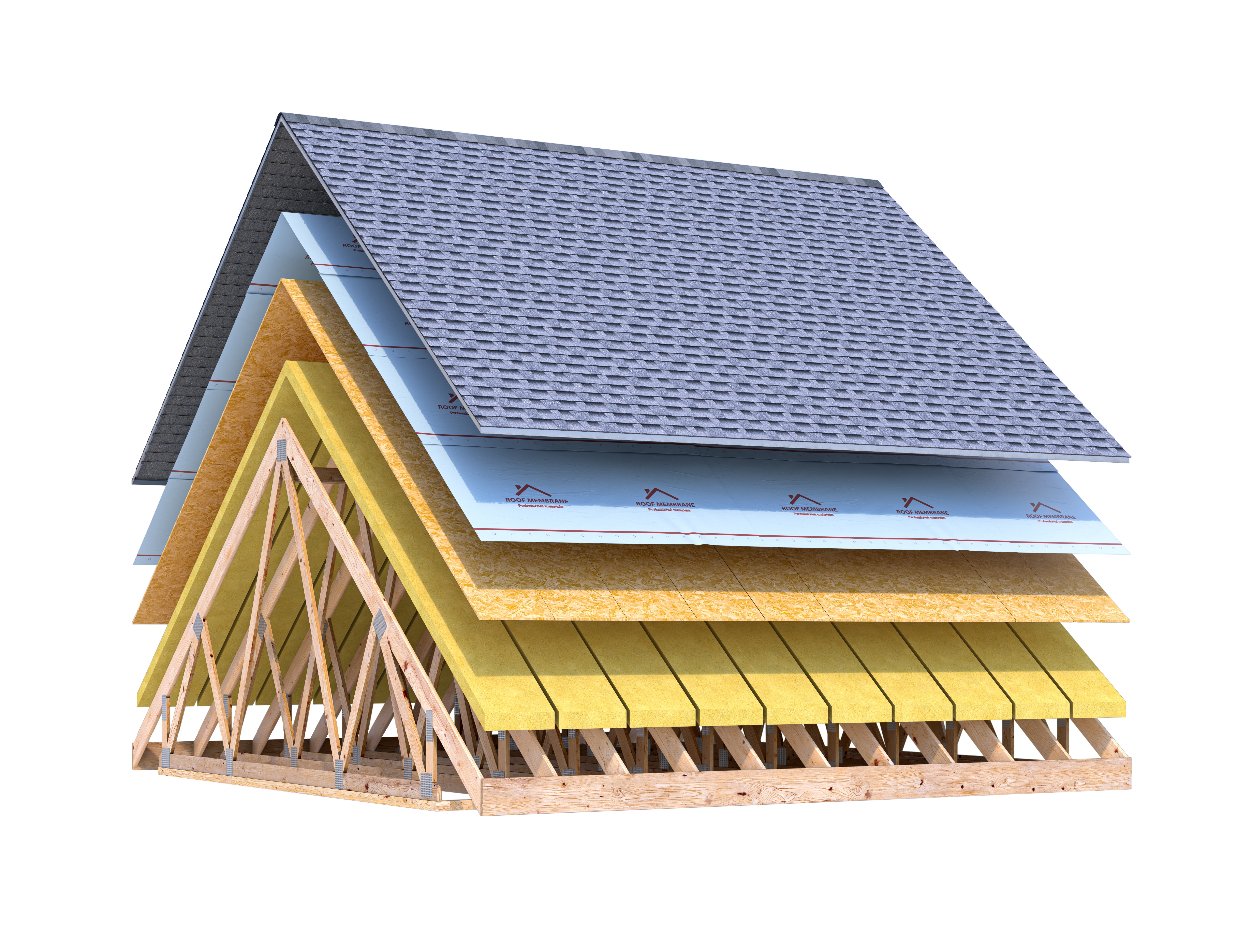
A roof is a system, not just shingles
Whatever material you choose sits on top of several layers that all matter — and that a good contractor won't skip.
- Decking — the structural plywood base, repaired at tear-off
- Underlayment — the water-resistant barrier over the deck
- Flashing — seals valleys, chimneys, and vents against leaks
- Ventilation — protects the roof's lifespan and your warranty
Roofing material FAQ
What is the best roofing material?
What roofing material lasts the longest?
Which roofing material is most affordable?
Which material is best for hail?
How does climate affect which roof I should choose?
How long does it take to install a new roof?
Does roof shape affect material choice?
How often should I have my roof inspected?
Match the material to your home & budget
Compare every roofing material on cost, lifespan, and durability, then dig into 2026 pricing to plan your project.