
Rising power bills? Start at the top.
Electricity prices are climbing as AI and data centers strain the grid — and for most homes, the biggest energy waste is overhead. An energy-efficient, reflective roof is one of the most effective ways to take back control of your cooling bill.
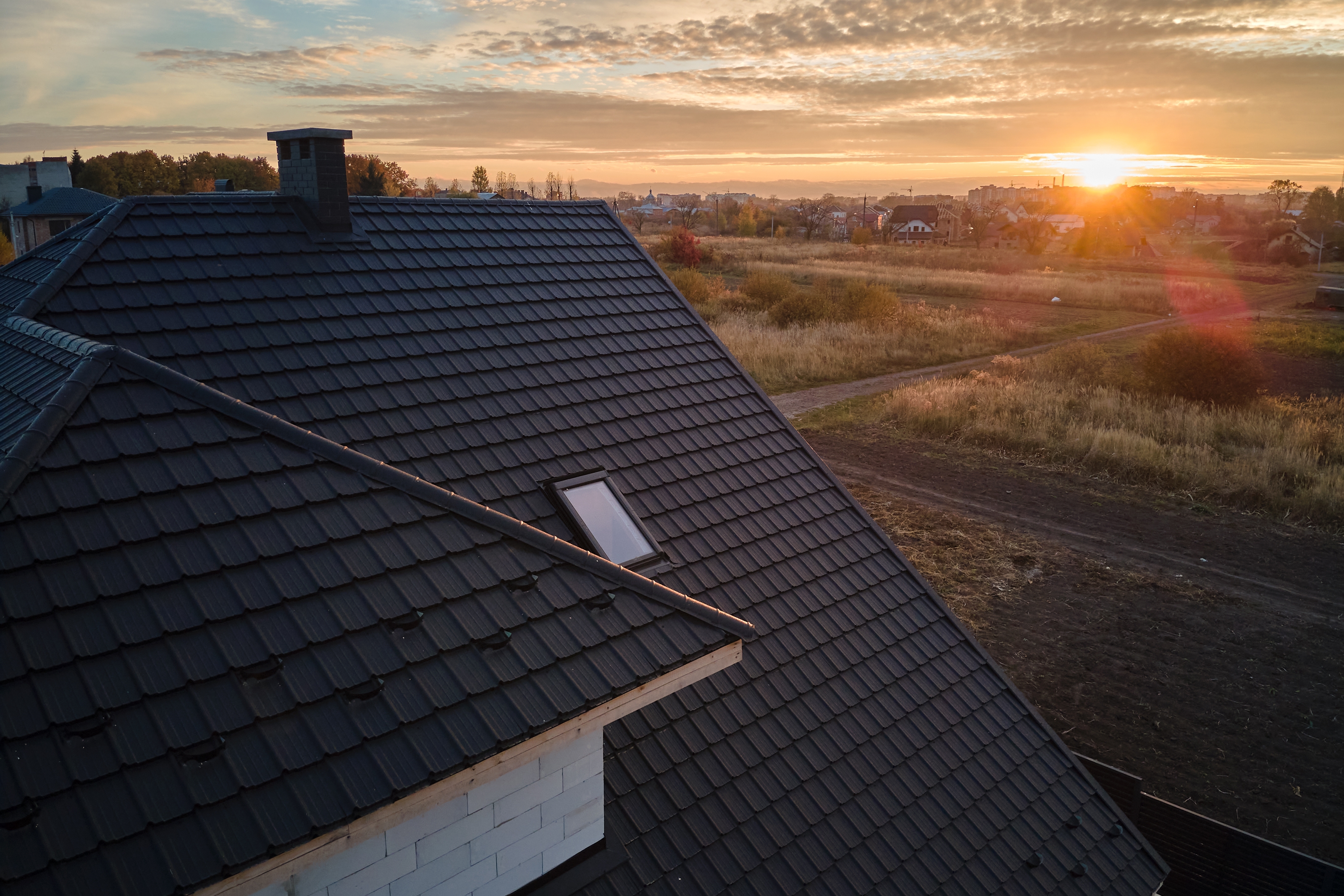
Electricity is getting more expensive, and cooling is one of the biggest pieces of a summer bill in a hot climate. Because the roof drives much of a home's heat gain, switching to an energy-efficient "cool roof" — a reflective surface, paired with good attic ventilation and insulation — keeps your attic and home cooler and your air conditioner working less. It's a rare home upgrade that pays you back every month while making the top floor more comfortable.
Why your electric bill keeps climbing
You're not imagining it — power is getting pricier, and the pressure is structural, not seasonal. The fastest-growing driver is the explosion of AI and data centers, which draw enormous, around-the-clock electricity.
- Data centers are eating the grid's growth. The International Energy Agency reports that data centers accounted for roughly half of all U.S. electricity demand growth recently — far outpacing homes, industry, and transport.
- Household rates are rising. The U.S. Energy Information Administration has reported residential electricity prices climbing year over year, with further increases forecast as demand outruns new supply.
- It hits hardest near the build-out. Analyses have found wholesale power costs in some areas near large data-center clusters up dramatically over five years — and those costs get passed on to customers.
The part you can actually control
You can't slow the data-center boom — but you can shrink your exposure to it. The less electricity your home wastes, the less those rising rates cost you. Your roof is the single biggest lever most homeowners never pull.
How your roof drives your energy bills
On a sunny day, a dark asphalt roof can reach 150–190°F — far hotter than the air around it. That heat radiates down into your attic, which can soar well past 130°F, then seeps into your living space. Your air conditioner spends the afternoon fighting it.
The roof is a leading source of a home's solar heat gain. Reduce how much heat the roof absorbs and traps, and you directly reduce the cooling load — the work your AC does, and the dollars on your bill.
What makes a roof energy efficient
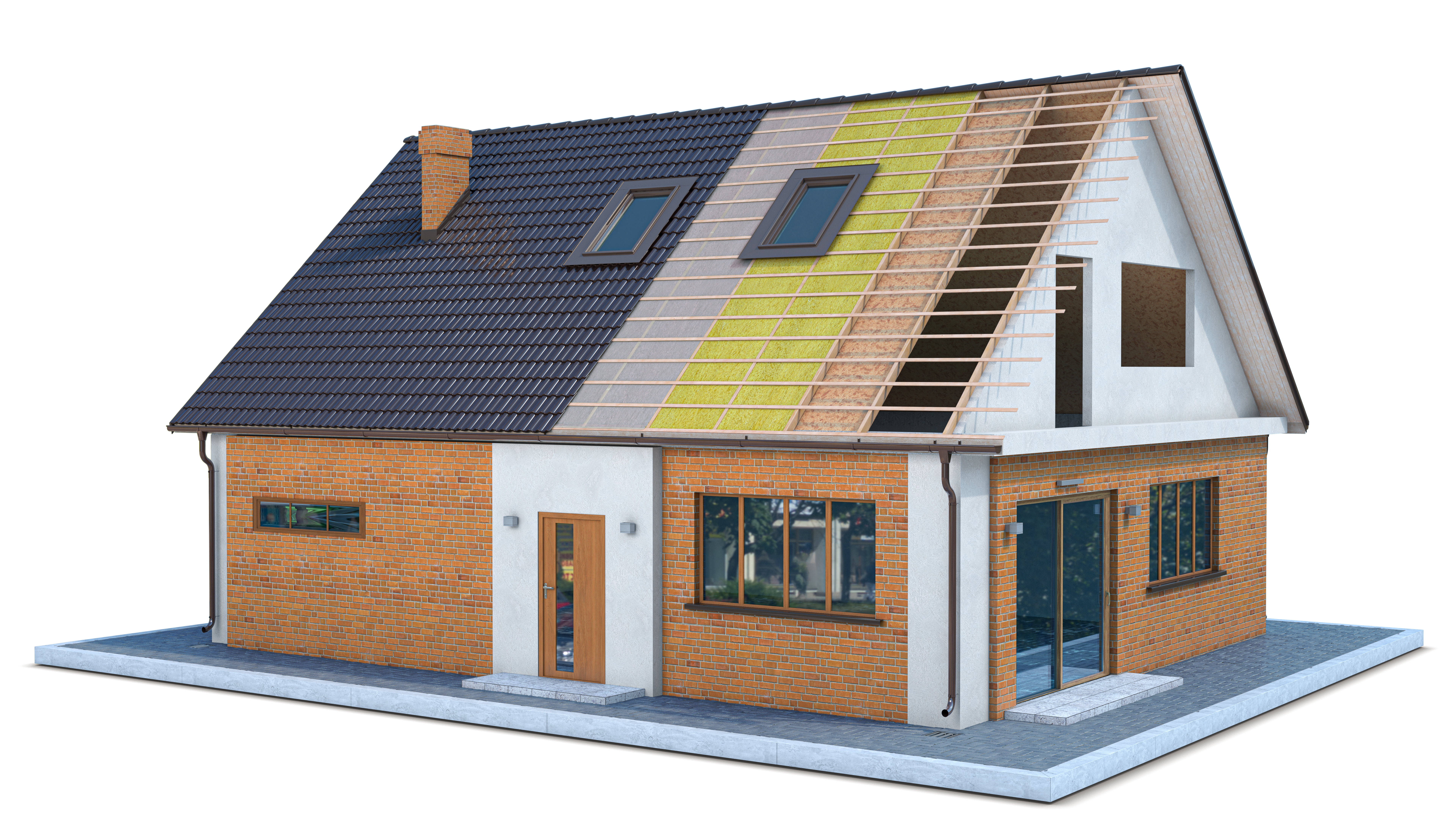
An energy-efficient roof isn't one product — it's a system of three layers working together. Get all three right and the savings compound.
1 · A reflective surface
A "cool roof" reflects more sunlight instead of absorbing it. Look for high solar reflectance and thermal emittance — measured and rated by the Cool Roof Rating Council, and flagged by ENERGY STAR-certified products.
2 · Proper ventilation
Balanced intake and exhaust vents let trapped attic heat escape instead of baking your ceilings. Good airflow is one of the cheapest, highest-impact parts of the system.
3 · Insulation & radiant barrier
Adequate attic insulation plus a radiant barrier block the heat that does get through from reaching your living space — keeping cool air in and the AC's work down.
Color and material matter
Lighter, reflective surfaces beat dark ones for heat rejection — but modern "cool" technology now exists across colors and materials, so you don't have to sacrifice the look you want. The trick is choosing a rated reflective product, not just a light paint color.
The most energy-efficient roofing materials
Every major roofing material now offers an energy-efficient option. Here's how they stack up for keeping a home cool.
Reflective metal
Naturally reflective and available with cool-rated coatings, metal sheds heat fast and excels in sunny climates. Long-lived and fully recyclable, it's a top performer for energy efficiency. See metal roofs →
Cool-rated asphalt shingles
The most popular roof now comes in ENERGY STAR cool-shingle versions with reflective granules — a budget-friendly way to gain efficiency without changing materials. See asphalt roofs →
Clay & concrete tile
Tile's shape creates an air gap that ventilates heat, and light-colored tiles are excellent reflectors — a classic choice for hot, sunny regions. See tile roofs →
Slate & specialty
Natural slate and other premium surfaces can be paired with reflective underlayments and strong ventilation for a high-performing, exceptionally durable cool-roof system. See slate roofs →
Savings, payback & incentives
An energy-efficient roof works on two fronts: it lowers your monthly cooling bill, and it can qualify for incentives that lower the upfront cost. The savings are biggest in hot, sunny climates where the AC runs hardest.
Lower cooling costs
By cutting roof heat gain, a cool-roof system reduces how much your AC runs during peak afternoons — exactly when electricity is most expensive. In a hot climate, that's money back every summer month.
Rebates & credits
Certain ENERGY STAR-rated reflective products and added insulation may qualify for utility rebates or efficiency incentives. Programs change often — confirm current offers with your utility and a tax professional.
Already replacing your roof? This is the moment.
The cost gap to upgrade to cool-rated materials is small when you're re-roofing anyway — but retrofitting later means paying for the work twice. If a replacement is on your horizon, building in energy efficiency now is the highest-leverage decision you'll make. See our roof cost guide to compare.
How RoofingScout helps
An energy-efficient roof is only as good as the crew that designs and installs it. We connect you with independently vetted local pros who know cool-roof systems — the right reflective product, ventilation balance, and insulation for your climate and home.
Free efficiency assessment
A vetted pro evaluates your roof, attic, and ventilation and shows where you're losing money to heat gain.
Cool-roof specialists
Contractors who install ENERGY STAR and cool-rated systems — not just whatever's on the truck.
Transparent quotes
Compare the upfront cost against the long-term savings, with any available incentives factored in.
Power prices are climbing and won't reverse soon. You can't control the grid — but you can control how much energy your home wastes through the roof. A reflective, well-ventilated, properly insulated roof is one of the few upgrades that lowers your bill every month, boosts comfort, and can pay for part of itself through incentives. If a new roof is in your future, make it an efficient one.
Efficiency lives between the shingles and your ceiling
A reflective surface is only the first layer. The real savings come from treating the roof as a system: a cool, reflective surface on top, balanced ventilation to exhaust trapped heat, and insulation plus a radiant barrier below to keep your conditioned air where it belongs. Skip a layer and you leave savings — and comfort — on the table.
- Reflective, ENERGY STAR-rated surface to bounce sunlight away
- Intake + exhaust ventilation to flush attic heat
- Radiant barrier & insulation to block heat transfer indoors
Cut your cooling bill from the top down.
Get matched with up to three independently reviewed local pros who can assess your roof's efficiency and quote a cool-roof system built for your climate.
- Free, honest efficiency assessment
- No spam, no out-of-area lead sellers